
Wholesale Laser-Cutting Pricing: A Simple Estimator Sign Shops Can Trust
Busy quote season puts pressure on your margins and your schedule. You need numbers you can defend, a framework that scales from one-off letters to production runs, and a partner who can pick up overflow without risking your client relationships.
This guide gives you a straight-line way to price laser-cut work with confidence. Use the worksheet, see how throughput affects unit cost, and know when UV print-and-cut or CNC routing beats the laser. Texas Sign & Graphics (TSG) is positioned as your wholesale partner for overflow and thick-material work with a 250W industrial laser and trade-only production in Martindale, Texas.
What Actually Drives Laser-Cutting Cost
For sign work, nine levers move the number. Price each one and you can quote with less guesswork.
- Material and sheet yield. Acrylic vs aluminum vs stainless, sheet size, and offcut reuse. Full sheets generally price better than partials.
- Thickness. Cut speed drops as thickness increases, and assist gas cost rises for thicker metals.
- Tolerance and edge quality. Tighter tolerances, micro-tabs, and paint-ready edges add time.
- Artwork cleanup. Font conversions, offset paths, and fixing broken nodes. Charge when files are not production-ready.
- Nest efficiency. Better nests reduce travel, pierces, and scrap. Poor nests cost twice, in time and material.
- Number of pierces. Every pierce adds a dwell, spatter risk, and wear on consumables.
- Assist gas. Air is cheapest, nitrogen is clean for aluminum and stainless, oxygen is fast on steel but needs post-processing.
- Finish work. Deburr, flame-polish acrylic, tapping, paint, adhesive backs, paper mask removal.
- Setup and changeovers. Tooling, nozzle swaps, gas changes, and test cuts. Capture small-batch overhead.
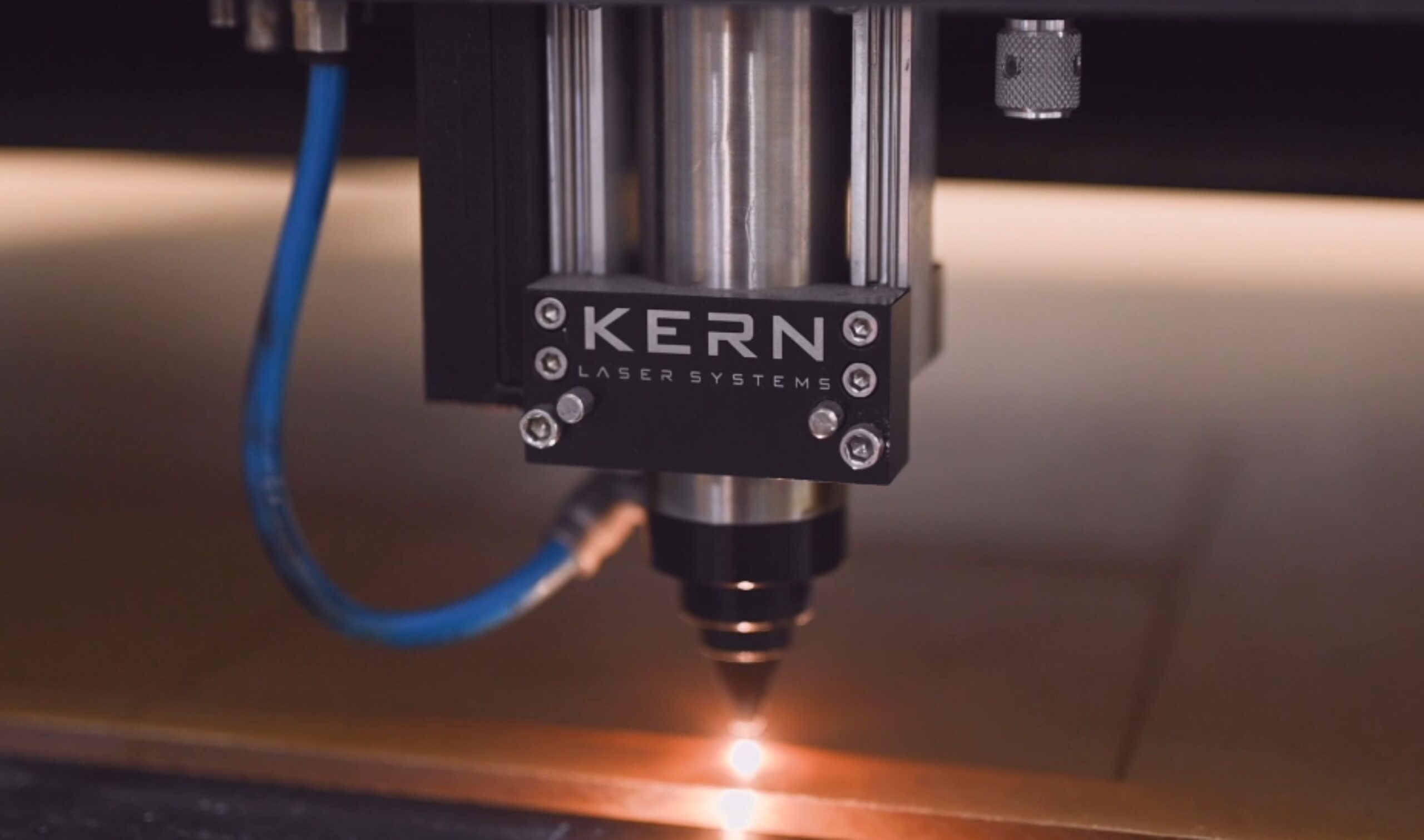
TSG’s 250W laser is optimized for acrylic lettering, aluminum faces, logo panels, and thick-gauge components. Oxygen, nitrogen, and air assist options keep edges bright and dross-free, which reduces downstream finishing.
A Practical Cost Model You Can Reuse
Laser-cut pricing is mostly time plus material, with adjustments for complexity. A simple, defensible model:
Total price = Material + Cut time + Setup + File prep + Finishing + Packaging
- Material. Sheet cost divided by yield, plus 10 to 20 percent scrap factor unless you are using your own stock.
- Cut time. Machine-hour rate times minutes on the table. Include travel moves and pierces, not just perimeter length.
- Setup. A flat fee per material or per program. Include test coupons for new thicknesses.
- File prep. Bill when the file needs work. Waive it when paths are clean and pre-nested.
- Finishing. Per-part adders for polish, deburr, paint, adhesive, or masks.
- Packaging. Part labeling and protective wrap when required.
How much does a laser cutter cost per hour for estimating? Trade rates vary by region and wattage. A common wholesale range for sign-grade work is 90 to 140 dollars per machine-hour. For a 250W system running aluminum and acrylic with nitrogen or air, many shops land near 110 to 125 dollars per hour. Use the midpoint you can support, then tune with your data.
Is laser cutting expensive? It depends on thickness, gas, and geometry. On thin acrylic letters with clean nests, it is often cheaper than routing due to faster feed rates and less finishing. On very thick PVC or simple rectangles, routing or print-and-cut can win.
Throughput and the 250W Effect on Unit Cost
Throughput is the silent multiplier. On a 250W laser:
- Thin acrylic, 1/8 inch to 1/4 inch. High cut speed, low pierce time. Unit cost drops sharply as nests improve.
- Aluminum, 0.063 to 0.125 inch. Nitrogen assist keeps edges bright, travel speed moderate. Good nests and few pierces keep cost down.
- Stainless, 0.060 to 0.090 inch. Clean edges with nitrogen, slower than aluminum, higher gas cost. Expect a higher minute-per-inch and set your rate accordingly.
As cycle time per part falls, the machine-hour component shrinks, so fixed items like setup and packaging dominate. That is why batching letters and combining art into larger nests improves margin. When you need flat-cut aluminum faces or a laser cut metal sign with crisp edges, TSG’s precision laser cutting and laser cutting aluminum capabilities help you keep that cycle time predictable.
When UV Print-and-Cut or CNC Routing is Cheaper
- UV print-and-cut. Best for panel graphics with simple outlines, stencils, and multi-copy runs on ACM, PVC, or foam board. When the part perimeter is short relative to print area, print-and-cut beats laser every time. Consider TSG’s UV printing services when color plus contour is the driver.
- CNC routing. Best for thick plastics, PVC, HDU, and wood, or for large chamfers and pockets. Routing can beat laser on simple shapes where flame polish is not needed, or when material is not laser-friendly.
If the job is primarily branding with depth, dimensional letters in acrylic or metal are still strong candidates for the laser thanks to edge quality and small inside radii.
The worksheet: Plug-and-Quote
Use this quick template. Replace the example rates with your shop’s numbers.
- Material: Sheet cost x (part area or count ÷ yield) x scrap factor
- Machine time: (Perimeter inches ÷ IPM) + pierces x pierce time + travel allowance
- Machine rate: Dollars per hour x machine minutes ÷ 60
- Setup: Flat per program or per material change
- File prep: Minutes x design rate, or flat fee
- Finish: Per-part adders for polish, deburr, paint, adhesive back
- Packaging: Per batch or per part
- Rush or after-hours: Percentage adder when applicable
Example default values many sign shops use:
- Scrap factor: 15 percent on mixed nests
- Travel allowance: 10 to 15 percent of perimeter time
- Pierce time: 0.5 to 1.0 second in thin metals, up to 2 seconds in thicker stainless
- Adhesive back: 1 to 2 minutes per letter to apply and squeegee
Example Jobs You Can Reference
Acrylic letters, 1/4 inch, 10 inch cap height, 20 pieces
- Material: One 24 x 48 inch sheet of cast acrylic at 120 dollars. Yield is 1 sheet. Material = 120 dollars.
- Perimeter: Average 40 inches per letter. Total 800 inches. At 120 IPM effective (including travel), cut time 6.7 minutes. Add 10 percent travel, total 7.4 minutes. Machine at 120 dollars per hour = 14.80 dollars.
- Setup: 25 dollars.
- Finish: Flame-polish edges optional. If required, 1 minute per letter x 20 = 20 minutes at 60 dollars per hour = 20 dollars.
- Packaging: 10 dollars. Estimate: 120 + 14.80 + 25 + 20 + 10 = 189.80 dollars, or about 9.50 dollars per letter. Without polish, closer to 7.50 dollars per letter.
Aluminum faces, 0.063 inch, 24 x 36 inch pair with simple radiused corners
- Material: Two blanks from a 48 x 96 inch sheet at 240 dollars. Yield 4 per sheet. Material for 2 pieces = 120 dollars.
- Perimeter: 120 inches each x 2 = 240 inches. Effective 100 IPM with nitrogen, 2.4 minutes. Add 10 percent travel = 2.6 minutes. Machine at 120 dollars per hour = 5.20 dollars.
- Setup: 25 dollars.
- Finish: Deburr light scuff, 5 minutes total at 60 dollars per hour = 5 dollars. Estimate: 120 + 5.20 + 25 + 5 = 155.20 dollars, or 77.60 dollars each. Routing may be competitive here, so compare.
Panel cutouts, 3 mm ACM, 50 stencil parts, simple rectangles 6 x 12 inch
- Material: One 48 x 96 inch ACM at 90 dollars. Yield 64 pieces. Material for 50 = 70.30 dollars.
- Perimeter: 36 inches per part x 50 = 1800 inches. A router or digital cutter at 300 IPM effective with a kiss-cut strategy will beat laser. Choose print-and-cut or routing. If you laser, at 90 IPM effective, time is 20 minutes plus handling. Routing likely lowers cost by 20 to 30 percent.
When a job leans heavy on branding and clean edges, consider dimensional letter solutions and 3D letters. For illuminated storefront work that pairs laser-cut faces with lighting, explore options around channel letters and channel letter signs to round out your quote package.
Quick FAQ for Your Quote Emails
- What is the cost of laser cutting? It is material plus machine time plus finishing. For sign-grade work, many wholesale quotes fall between a few dollars per simple part to several hundred for thick, complex sets. The worksheet above breaks it down.
- How much does a laser cutter cost per hour? For wholesale estimating, 90 to 140 dollars per machine-hour is typical. Pick a number you can support with your data and material mix.
- What should I charge for laser cutting? Start with your model: material + time + setup + finish. Then check against market ranges and complexity. Batch and nest to protect margins.
- Is laser cutting expensive? It is efficient on acrylic letters and detailed aluminum parts. It gets expensive when parts are very thick, have many pierces, or need heavy post-processing.
- How do I calculate the cost of laser cutting? Use perimeter and pierce counts to estimate minutes on the table, multiply by your hour rate, then add material, setup, file prep, and finishing.
When to Loop in TSG
- Overflow during summer installs or event season. Send nested files, get wholesale pricing, and keep your client relationship protected.
- Thick-material or tight-tolerance work where clean edges matter. TSG’s industrial laser cutting, CNC routing, and finishing stack keep parts installation-ready.
- Projects that mix processes. Combine UV print with contour cutting for cost control, or pair laser-cut letters with backers for lobby and wayfinding programs.
If you are planning a package that includes wayfinding signs or post and panel signs, or need support on precision laser cutting for metal and acrylic, TSG’s wholesale team can help with production and material guidance. For UV-heavy projects that favor print-and-cut, review available UV printing services to validate cost and durability choices.
Next Steps
A pricing model you can reuse beats guesswork. Anchor your quotes in material, machine minutes, setup, and finish, then adjust for gas and geometry. Batch where possible, compare routing and print-and-cut on simple shapes, and reserve the laser for the parts where edge quality and detail drive value. For overflow and thick-material jobs, or when you want a second set of eyes on nests and cycle time, connect with the Texas Sign & Graphics wholesale team in Martindale to request a tailored trade quote.